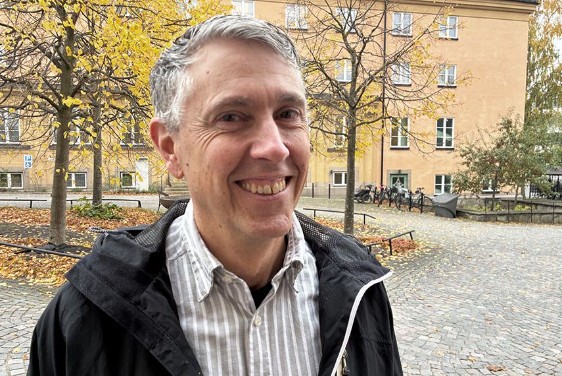
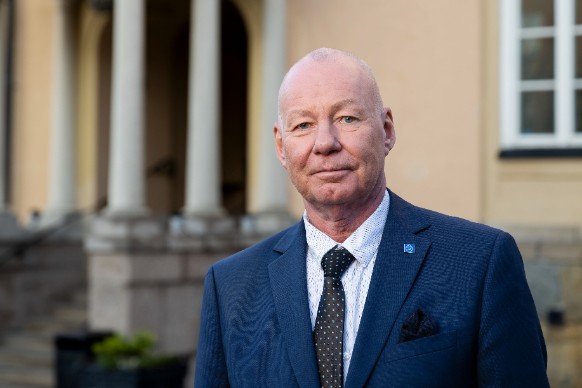
Hi , what should students expect from a university in the age of AI?
|
|
|
|
|
|
The physical campus is becoming more important, not less
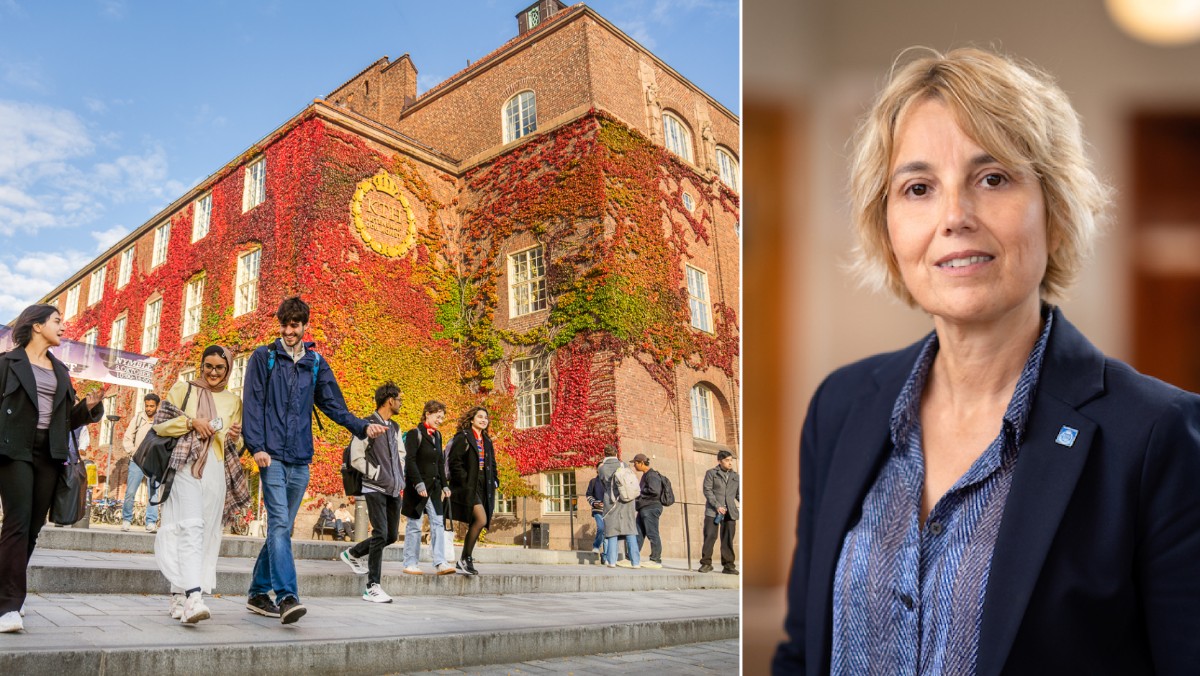
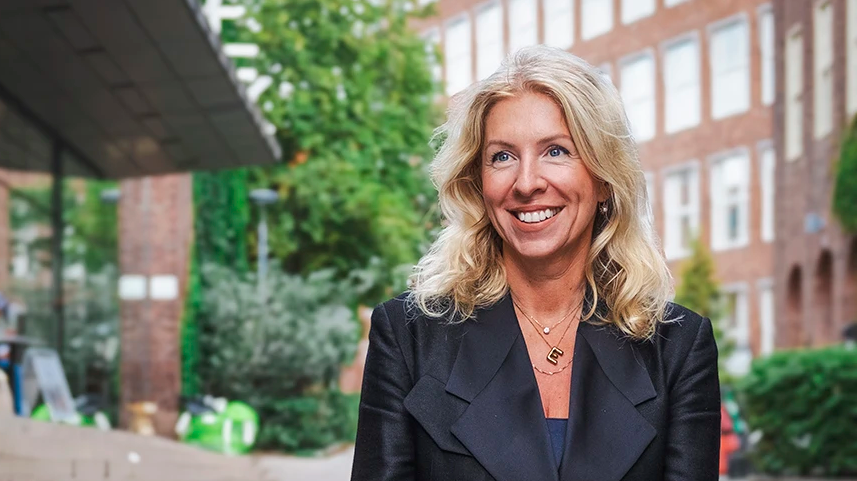
Artificial intelligence is forcing universities to confront some fundamental questions. If information, explanations and even personalised tutoring are available anytime and anywhere, what should students expect when they come to a university? What remains uniquely valuable about spending years on a campus? I do not believe the answer lies in access to information, nor in the content we teach. Knowledge will remain central to what we do, but it is no longer our most distinctive contribution. Universities will increasingly be defined by the experiences they create and the communities they sustain.
What should students expect from a university in the age of AI?
|
Upgrade of Wisum in November
KTH’s e-commerce system Wisum will be upgraded to improve its functions and user experience. The upgrade includes a new design and faster navigation. 12–18 November: system closed and no orders can be placed in Wisum. If you have any critical orders, place them now, before the shutdown.
19 November: new system planned to start.
Read more about KTH's e-commerce system
|
New access card system from early November
| | | | | A new self-service portal will allow employees and students to manage their access cards, including changing PINs and extending or blocking cards. Please note: 2–6 November, it will not be possible to obtain a new access card, change access rights or update your PIN. Please plan any changes outside this period.
More information on Entry
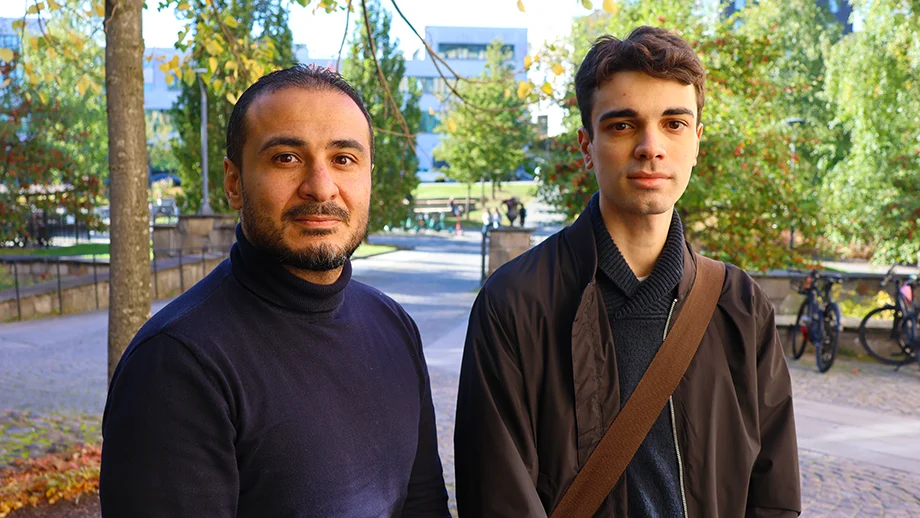
| | | Ali Elshaari, left, and Andrea Cataldo. Photo: David Callahan |
A new way to detect stabilizing properties of optical devicesIn optical fibers, chips and other light-guiding devices, minor defects can scatter photons and disrupt their path. A new study demonstrates a way to reveal properties which, in certain systems, help light wave behavior withstand such flaws. The method could help speed up the search for new kinds of electronics and optical technologies, and contribute to more reliable quantum devices. Ali Elshaari and Andrea Cataldo say their new method can identify properties that help keep optical devices stable despite noise and flaws. Read more
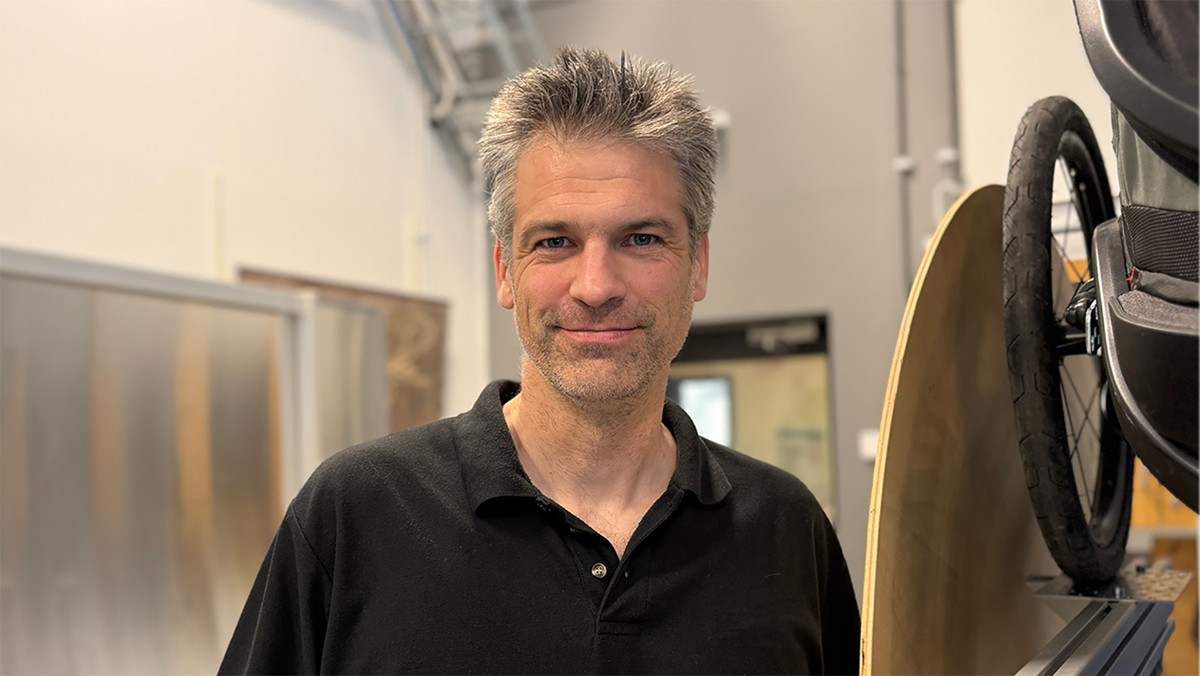
| Malte Rothämel. Photo: Jelina Khoo |
Malte Rothhämel's Research on Cycling Infrastructure and Future Cities
How can cycling research contribute to smarter urban planning?
In his docent research, Malte Rothhämel from Vehicle Engineering and Technical Acoustics at KTH explores how the interaction between humans, vehicles, and infrastructure shapes mobility systems. His work examines how factors such as road design, traffic conditions, and vehicle behaviour influence comfort, safety, energy consumption, and the attractiveness of sustainable transport options. Read more
| Publish in Open Research EuropePublishing in Open Research Europe (ORE) is free of charge and articles will be freely available immediately. ORE is funded by EU and run by CERN. Read more about publishing in ORE | | | |
Join KTH Innovation Launch
Launch your startup with KTH Innovation, one of Europe’s leading startup hubs. Join a diverse founder community of students and researchers and get the the support, networks, and resources you need. Apply by 4 November at kth.se/launch
|
Is a doctoral thesis still worth anything?
How is AI changing the conditions for doctoral education? Svante Linusson, Professor of Mathematics, opens the discussion from a mathematical perspective, where recent advances in AI have brought questions about mathematical proofs and human understanding into sharp focus.
KTH:s kollegiala forum
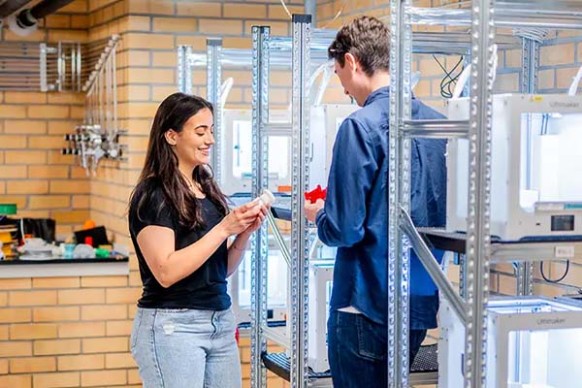
| | | | | | Seminar series: Makerspaces for teaching and learning KTH is currently developing makerspaces that support new ways of integrating theory and practice into education. You are invited to a series of six seminars during the autumn of 2026 and the spring of 2027, which will explore how experimental learning, makerspaces, AI and pedagogical development can contribute to the engineering education of the future. President Anders Söderholm will open the first seminar on 10 November. Seminars: Makerspaces for teaching and learning
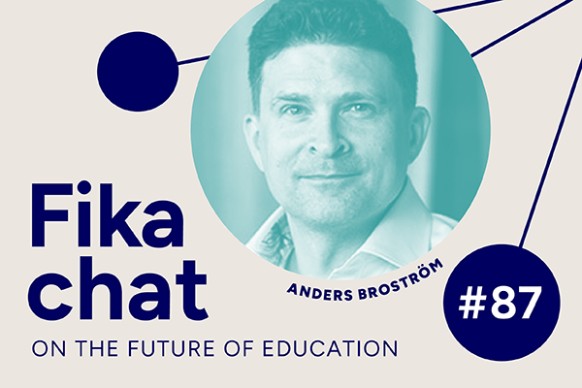
| | | | | Fika chat on future changing educational needs How can Swedish higher education institutions meet changing and broader educational needs when educational pathways have become narrower? Anders Broström in conversation with podcast host Marcus Lithander and co-host Emil Wallgren (THS) on why higher education institutions need to focus more on developing broader academic abilities. Listen to Fika chat #87, 4 November at 15:00
| | | | | Mini-workshop: Start using AI toolsGet started using the AI tool Microsoft Copilot Chat! Copilot is the recommended AI tool at KTH and is available to both teachers and students. In the workshop we will go through how to access the chat bot, basic strategies for getting better answers, and guidelines for using AI. Read more | | | | | | Recorded seminar: The development of teachers and students views on AI in digital educationHow do KTH students and teachers perceive and use AI and digital education – and how has this developed since 2024? In this Lunch ’n’ Learn, Fredrik Enoksson and Patricia Cirera Diaz present results from the 2026 E-learning survey, which provides an overview of how generative AI is currently being used at KTH and how developments in the technology are influencing teaching practices. Recorded seminar: The development of teachers and students views on AI in digital education
| | |
|
|
|
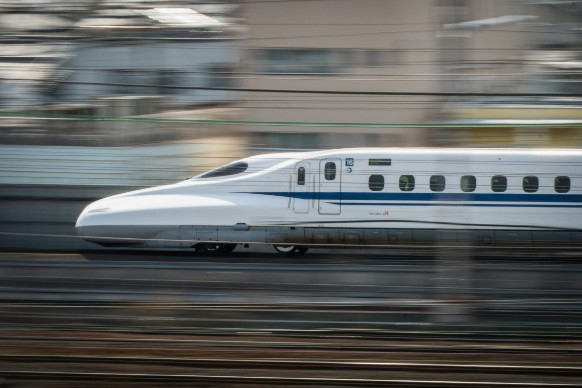
Take your research to the next level on KTH Japan Day
Connect your expertise with industry
partners, find funding opportunities, and spark innovation while enjoying
Japanese food and culture. Take a look at last year’s event in the Fika chat podcast #85. Date: 16 November, 17:00–20:00
Place: "Arkitekturhuset"
Read more and sign up by 9 November | |
|
Public defences of doctoral theses, licenciate seminars and docent lectures
| | | Elena Fersman recieves the KTH Innovation AwardMore than 15 years ago, Elena Fersman began developing AI at Ericsson, long before the technology became an established part of the business world. Today, she is a key figure in the company’s AI transformation. As a docent at KTH, she also builds bridges between academia and industry. Now she is the recipient of the KTH Innovation Award 2026. AI as a partner – not just a tool | | | Salary setting at KTH
The salary review is in full swing at KTH – but did you know that work on salaries continues all year round? Anders Jansen, who is responsible for salary formation in the HR Department, explains how salaries are set and dispels some of the most common misconceptions about the process.
“Salary setting is a difficult balancing act” | | | | | "Time for the state to act on AI research"
In his latest blog post, KTH President Anders Söderholm argues that long-term public investment in AI research is essential for Sweden’s future competitiveness and innovation. Read why universities have a key role to play.
President Anders Söderholm's blog
| | | | | Summer operational optimisation saved 40 MWh
| | | | Approximately 40 MWh, equivalent to the annual electricity use of two Swedish detached houses, was saved this summer thanks to joint operational optimisation at KTH Campus. By adjusting ventilation, lighting and other technical systems to reflect lower use during the summer, energy use could be reduced compared with normal operation. The experience gained is now being used to inform future measures to reduce energy use and KTH’s climate impact. Explore KTH's Sustainability Objectives 2026–2030/2045 | | | |
KTH Royal Institute of Technology
| School of Engineering Sciences | |
|
|